

What is matcha? Nutrition, benefits, and how to drink it
Matcha is tea made by steaming and drying tea leaves grown with special cultivation methods, then grinding them into a fine powder with a stone mill.
Unlike other teas, the biggest feature of matcha is that you dissolve the powder in hot water and consume the entire tea leaf, allowing you to ingest all the nutrients from the tea leaf.
While it is a traditional tea used in tea ceremony, in recent years it has gained attention both domestically and internationally, being used in sweets, lattes, and skincare products.
Characteristics of Matcha Production Methods and Cultivation
Shaded Cultivation (Hifuku Saibai)
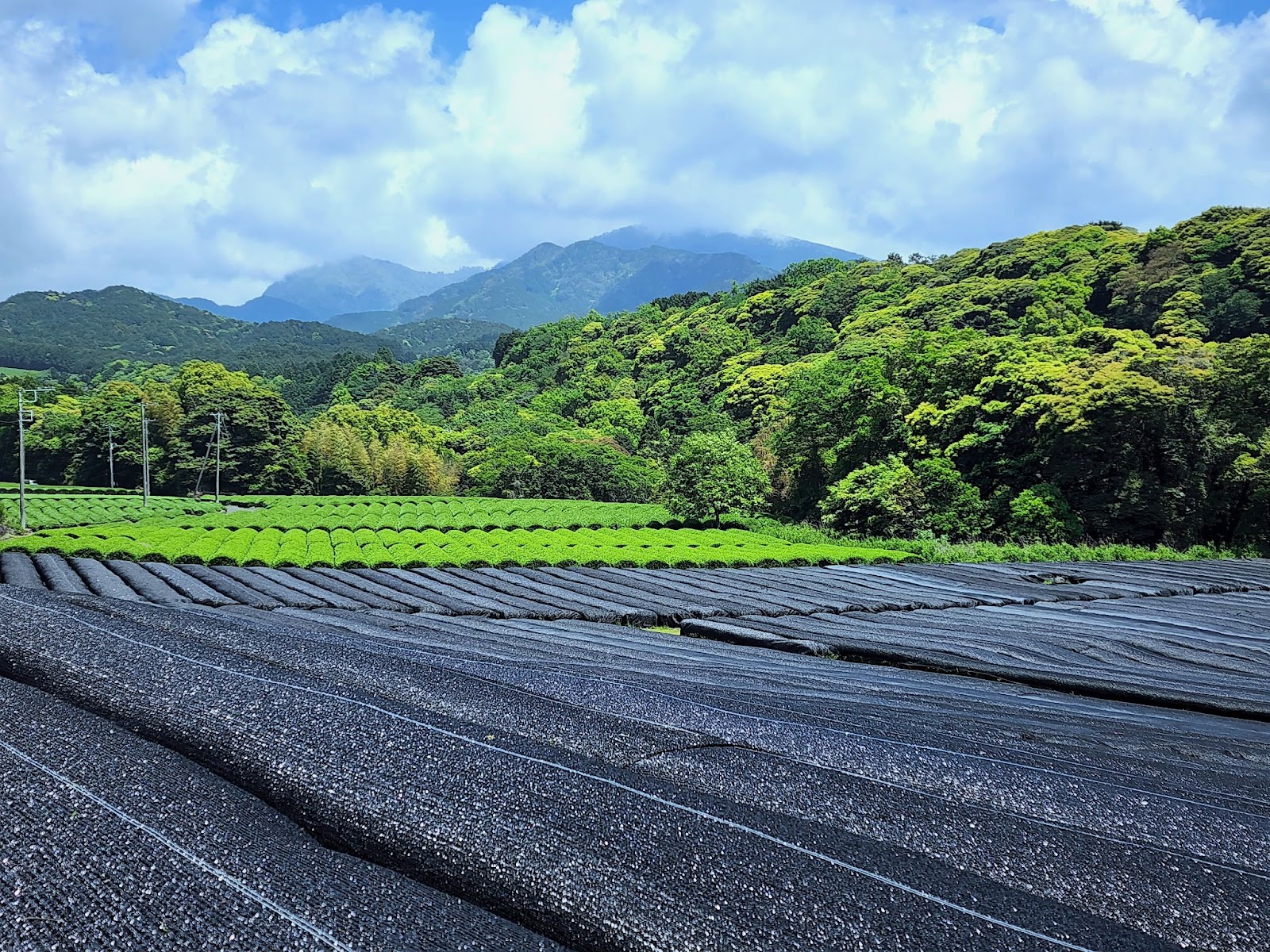
This is a method of growing tea plants by covering the tea fields to block sunlight for 2-3 weeks before harvesting. This process:
-
Reduces "catechins," the source of bitterness.
-
Increases "L-theanine," the source of umami.
This results in a mellow and sweet flavor.
Manufacturing Process

-
Harvest new shoots.
-
Steam to prevent oxidation.
-
Remove stems and veins, using only the soft leaves.
-
Process the selected leaves into powder (matcha).
What is the difference between Matcha and other teas?
|
Comparison Item |
Matcha |
Green Tea (Sencha) |
Black Tea / Oolong Tea |
|
Production Method |
Processed into powder |
Steamed, rolled, and dried |
Fermented tea |
|
How to Drink |
Drink the entire tea leaf |
Brew and drink |
Brew and drink |
|
Taste |
Rich, mellow |
Refreshing, some bitterness |
Emphasizes richness and aroma |
Matcha's Nutrients and Benefits
Matcha is exceptionally nutritious because the tea leaves themselves are consumed.
-
Catechins: Antioxidant effects for anti-aging and fat burning support
-
L-Theanine: Relaxing effect + improved concentration (synergistic effect with caffeine)
-
Chlorophyll: Detoxification and antibacterial effects
-
Dietary Fiber: Regulates gut environment
-
Vitamins C, E, K: Also beneficial for skin, immunity, and bone health
How to Drink and Arrange Matcha
Basic Matcha Preparation (using a bamboo whisk)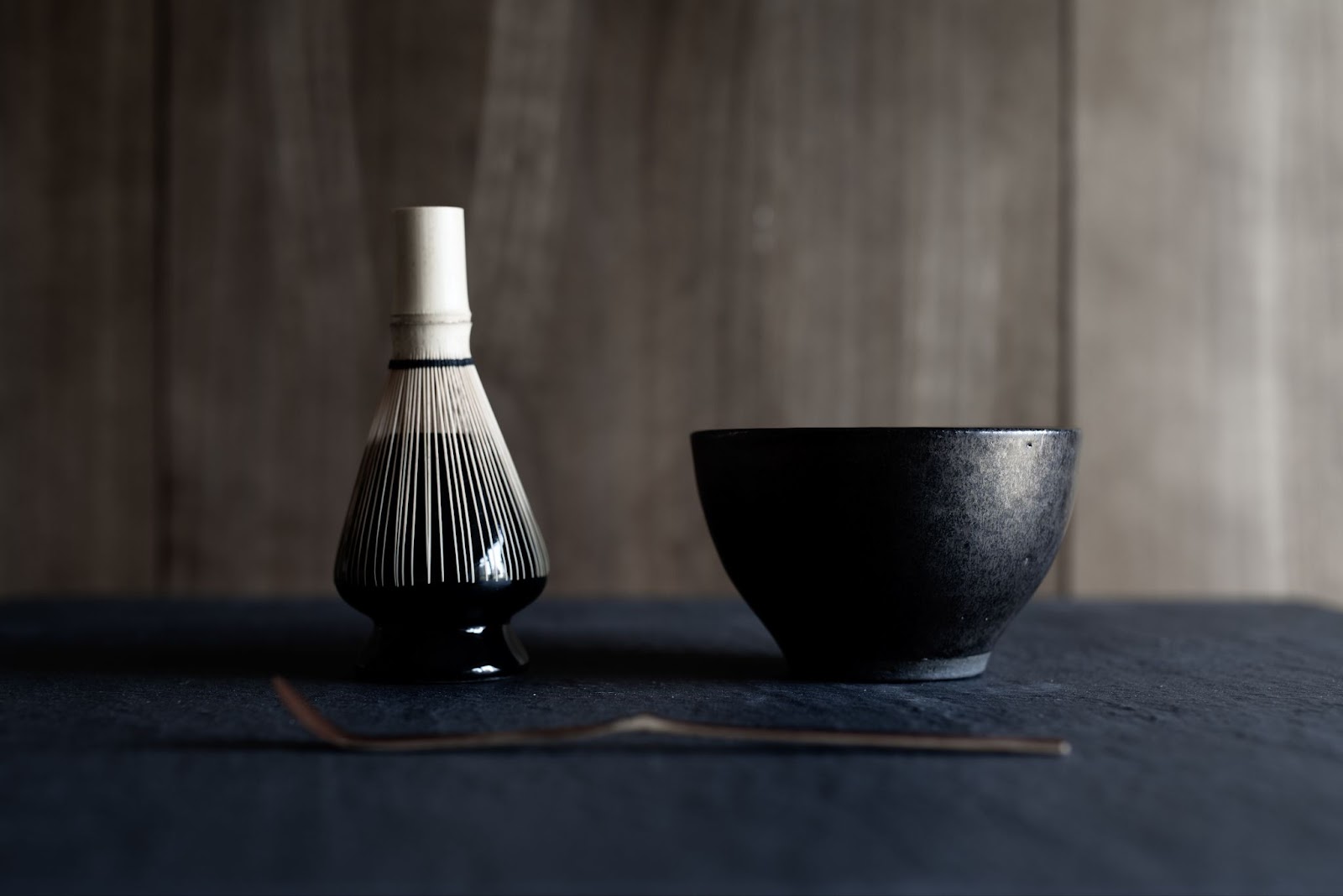
-
Put 1.5-2g of matcha (just under 1 teaspoon) into a tea bowl.
-
Pour 60-80ml of 70-80°C hot water.
-
Whisk in an M-shape with a bamboo whisk until foamy.
Examples of Daily Arrangements
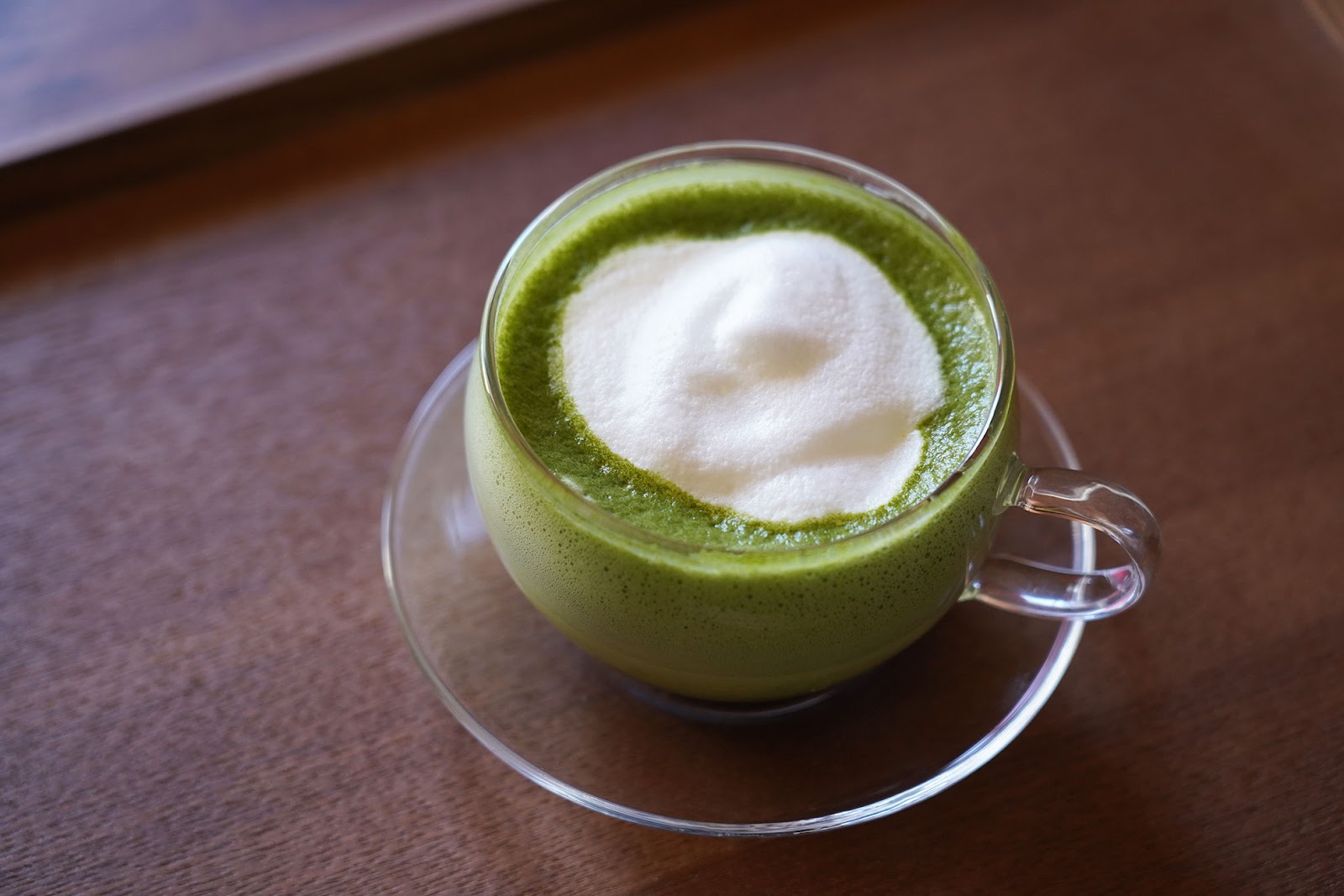
-
Matcha Latte: Mix with milk or soy milk for a mellow and easy-to-drink beverage.
-
Matcha Smoothie: Combine with banana and yogurt for a breakfast alternative.
-
Matcha Protein: Increasingly popular for post-workout nutrition.
Matcha is a representative Japanese health tea that combines nutrition, aroma, color, and taste.
\Our Recommended Matcha/
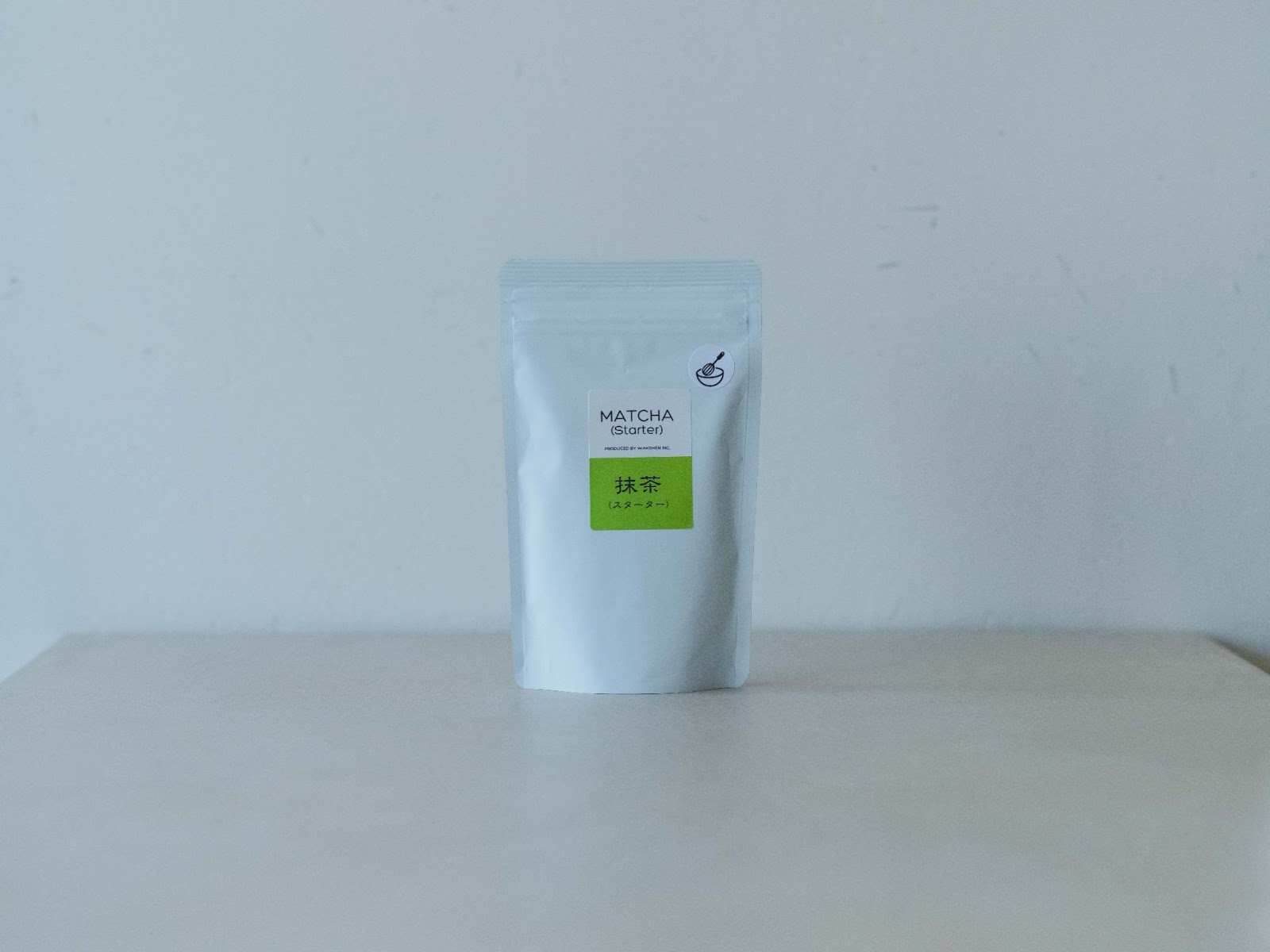
👉 Wakohen Official Shop | View Matcha Product List

