

Now that matcha is in short supply, we want you to know about a new option: "arabiki-cha" (coarsely ground tea).
In recent years, the growing popularity of matcha both in Japan and overseas has led to a continuous "matcha shortage" as the supply of raw materials struggles to keep up with demand. Many people are likely feeling frustrated, thinking, "I can't get my usual product" or "Isn't there an alternative?"
Amidst this situation, "Arabikicha" (coarsely ground tea) is gaining attention as a new option.
Although made using a different method than matcha, this tea allows you to fully enjoy the authentic flavor and nutrients of tea leaves, and it holds great potential as a future alternative. This article will delve into the background of the matcha shortage, the differences between matcha and Arabikicha, and the appeal and uses of Arabikicha.
Why is there a matcha shortage now?
In recent years, matcha's popularity has soared both in Japan and abroad, leading to a rapid increase in demand. In particular, in overseas markets, the popularity of matcha lattes and matcha sweets has surged due to growing health consciousness and interest in Japanese culture. This increased demand means that the supply of "tencha," the raw material for matcha, cannot keep up, resulting in a continuous shortage.
The Background of Matcha's Popularity: Soaring Demand at Home and Abroad
Matcha is currently attracting significant global attention. Matcha lattes and matcha sweets are especially popular in Thailand and the United States, with tourists even visiting Japan specifically for matcha experiences. Kyoto's long-established cafes and traditional confectionery stores are often included in tourist itineraries, and matcha products are popular souvenirs. In the US, interest in Japanese tea culture and tea ceremony utensils is also growing, and matcha menu items are becoming commonplace in cafes.
Current Situation: Soaring Prices and Difficulty of Acquisition
However, behind this popularity, Japan is facing a serious shortage of matcha. The raw material for matcha, "tencha," requires labor-intensive shaded cultivation and a specialized manufacturing process, making rapid production increases difficult. Additionally, the aging of producers, a lack of successors, and export promotion due to the weak yen have combined to push the supply system to its limits.
For companies newly entering the matcha business, even securing a stable supplier has become challenging, leading to situations where it's difficult to obtain matcha from brands other than established ones.
What is "Arabikicha," the New Option?
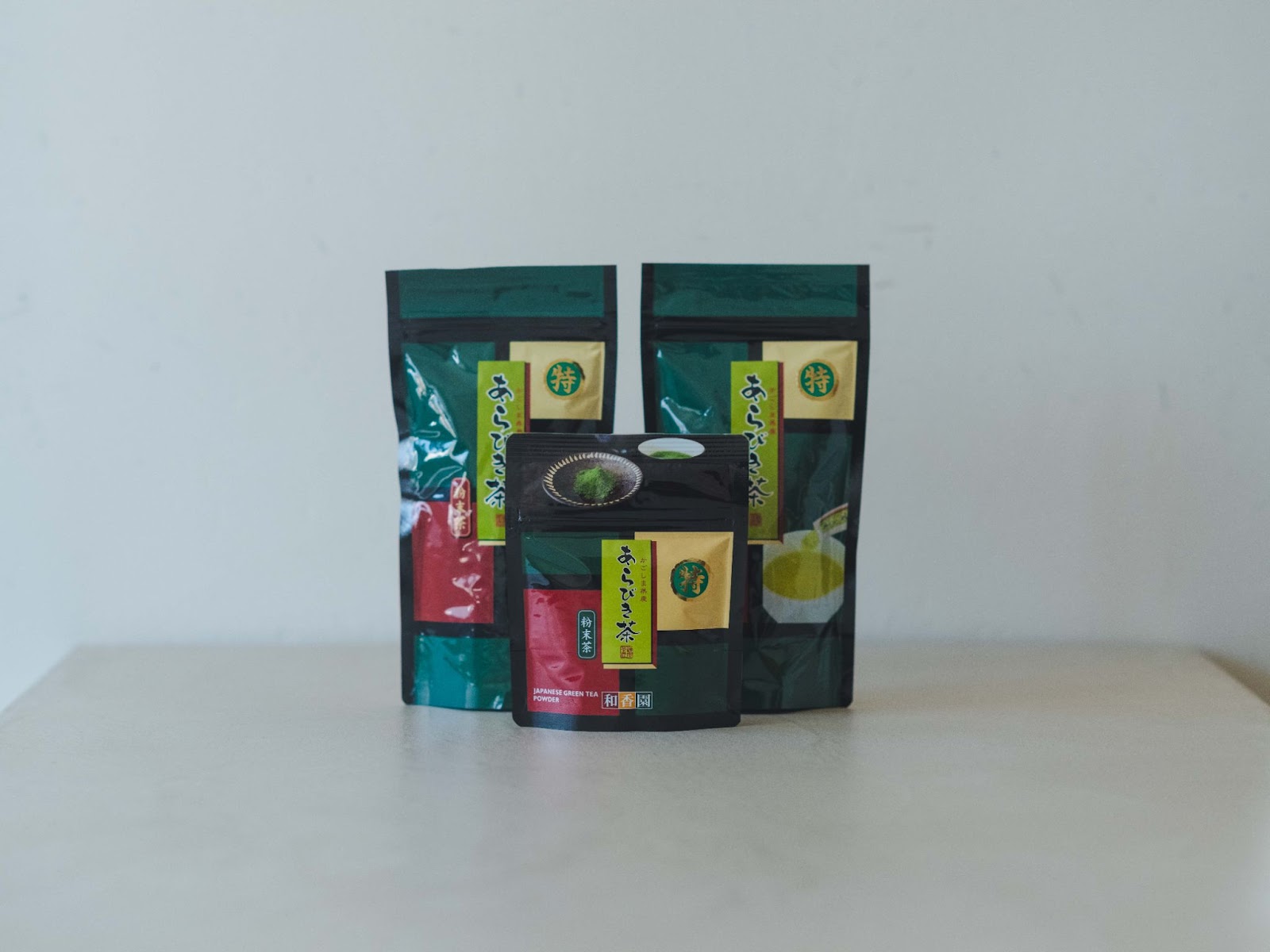
Arabikicha is a powdered tea made using highly functional tea varieties "Yutakamidori" and "Saemidori," finished with advanced roasting techniques. You can enjoy the rich flavor unique to first-flush tea, its vibrant green color, and its thick, deep richness and aroma.
Characteristics of Arabikicha
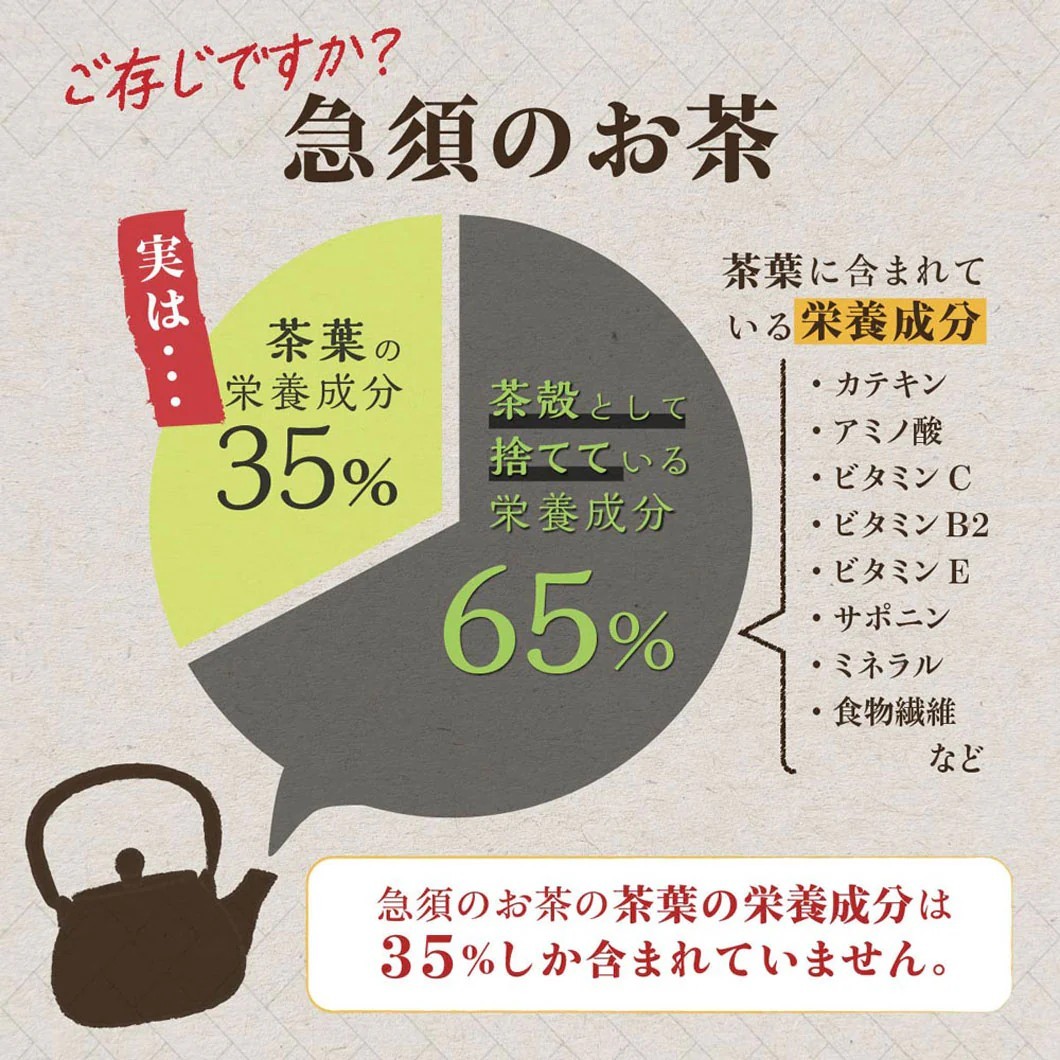
Did you know that with regular teapot tea, you only get about 35% of the tea leaves' nutrients? The remaining 65% is discarded as spent tea leaves.
Amidst this, coarsely ground Arabikicha is gaining attention.
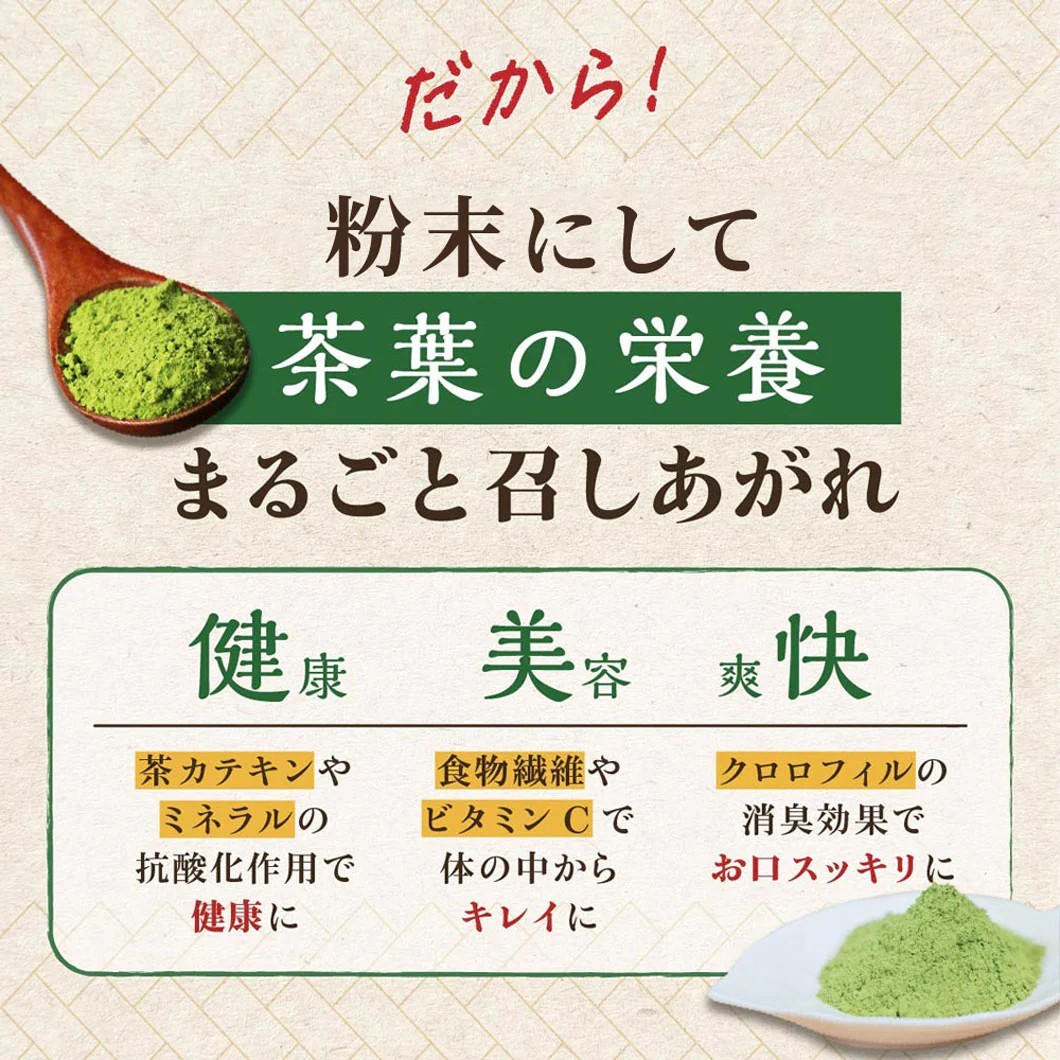
By consuming the entire tea leaf as a powder, you can take in all the nutrients, such as catechins, vitamins, minerals, and dietary fiber, without waste.
-
Health: Antioxidant effects from tea catechins and minerals
-
Beauty: Dietary fiber and Vitamin C for inner beauty